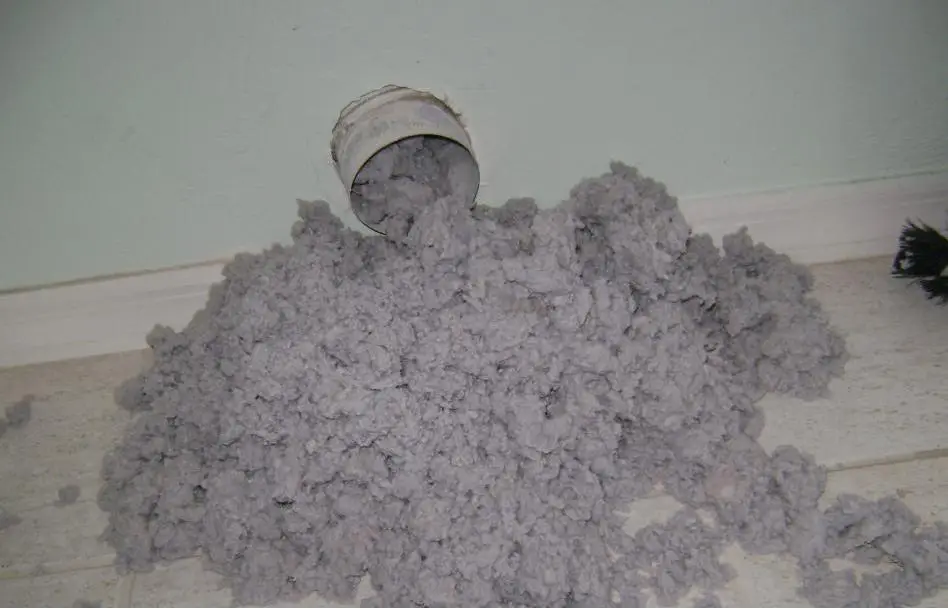
Every year, an estimated 15,000 house fires in the U.S. are traced back to one overlooked culprit: a blocked dryer vent. It’s one of the most common household hazards, and also one of the easiest to prevent. If it’s been more than a year since your vent was last cleaned, it’s worth five minutes to understand the risk.
Key Takeaways
- Lint buildup inside the vent line is highly flammable, and it collects faster than most homeowners realize.
- A blocked vent forces your dryer to run hotter and longer, increasing wear and fire risk at the same time.
- Longer dry times, a hot dryer exterior, and a burning smell are early warning signs.
- Annual cleaning is the standard recommendation, but heavy-use households often need it every six months.
- Professional cleaning reaches the full length of the vent run, not just the lint trap.
Why Lint Buildup Is a Serious Fire Risk
Every load of laundry sheds lint. Your lint trap catches most of it, but a portion always escapes downstream into the vent line itself. Over months and years, that lint accumulates along the walls of the duct, gradually narrowing the passage hot air needs to escape.
Lint is dry, fine, and extremely combustible. Combined with the heat your dryer generates on every cycle, a clogged vent creates the exact conditions a fire needs: fuel and heat in close, restricted contact.
How a Blocked Vent Starts a Fire
As airflow becomes restricted, heat that would normally escape through the vent has nowhere to go. The dryer’s internal temperature climbs higher than it’s designed for. In electric dryers, this added heat can overwork the heating element or trip (and eventually damage) the thermal safety fuse. In gas dryers, restricted airflow can affect combustion and, in rare cases, allow carbon monoxide to build up indoors.
If lint near the heating element or exhaust point ignites, the fire has a direct path to spread through the vent line into your walls.
Warning Signs Your Vent Needs Cleaning
- Clothes take noticeably longer to dry than they used to
- The dryer or laundry room feels hotter than normal during a cycle
- A burning or musty smell during operation
- Visible lint around the outside vent cap
- The dryer shuts off mid-cycle (a sign the thermal fuse is protecting against overheating)
Any one of these on its own is worth a look. More than one at the same time means it’s time to get the vent inspected.
How Often Should You Clean Your Dryer Vent?
Most households should have their dryer vent professionally cleaned once a year. That interval should be shorter, closer to every six months, if:
- You’re doing laundry for a large household
- You run multiple loads per day
- Your vent run is long, has several bends, or vents vertically (common in condos and multi-story homes)
- You’ve noticed any of the warning signs above
Why Professional Cleaning Matters
Vacuuming the lint trap is not the same as cleaning the vent. Most of the buildup that causes fires sits further down the line, inside walls and duct runs that aren’t visible or reachable with a household vacuum. Professional cleaning uses equipment designed to clear the entire length of the vent, from the dryer to the exterior vent cap, so airflow is fully restored rather than just improved at the surface.
A clogged dryer vent doesn’t just waste energy and add wear to your machine, it’s one of the more preventable fire risks in an average home. A yearly cleaning is a small investment against a serious outcome.
Protect Your Home Today
If it’s been a year or longer since your last cleaning, or you’re noticing any of the warning signs above, don’t wait for a bigger problem. Brevard Washer & Dryer provides professional dryer vent cleaning throughout Brevard County and Melbourne, Florida. Call us at (321) 446-5125 to schedule a cleaning and keep your home and your dryer running safely.